
Essential Ingredients for the Perfect Creamy Seafood Chowder
Selecting the Best Seafood Combination

The heart of any outstanding Creamy Seafood Chowder is, of course, the seafood itself. A well-balanced mixture typically includes shrimp, scallops, white fish (like cod or haddock), and clams.
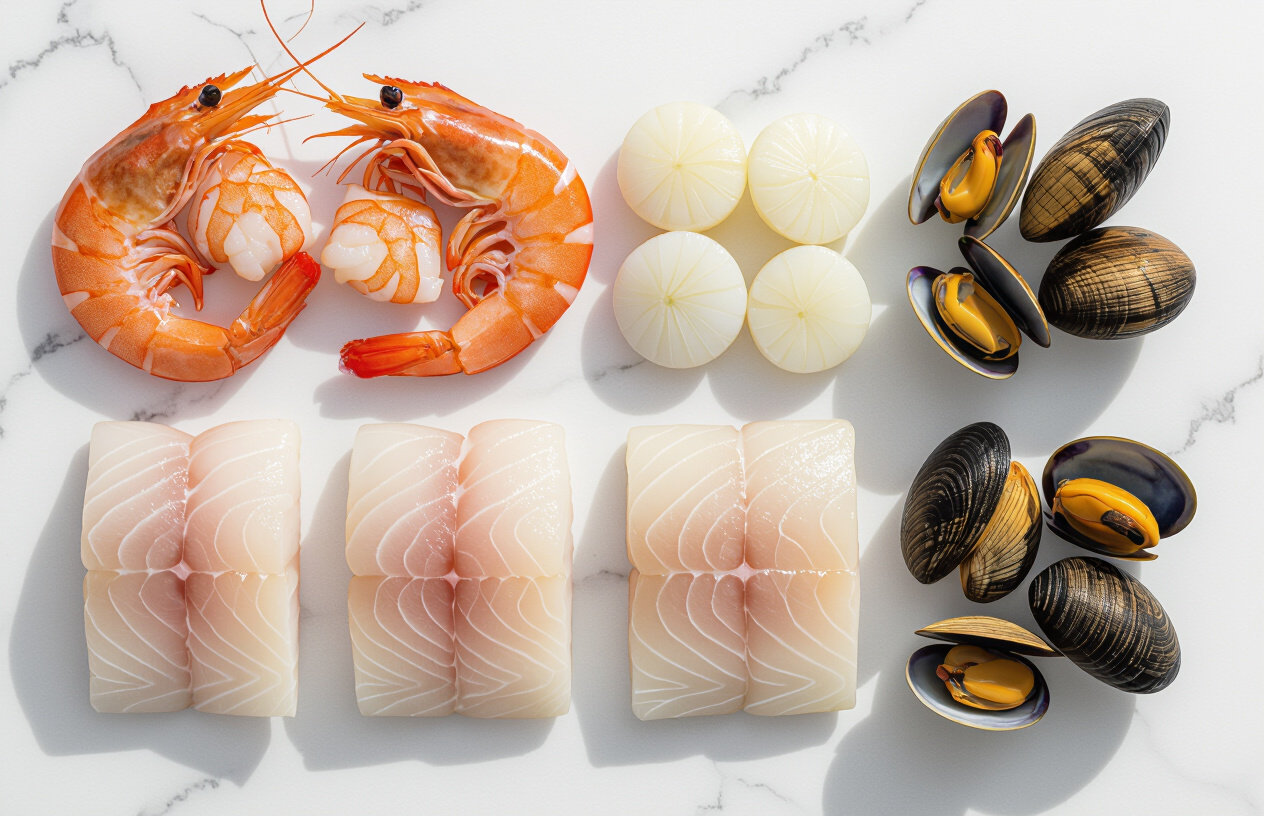 This combination provides varying textures and complementary flavors that make each spoonful interesting.
When choosing between fresh and frozen seafood, know that both can work wonderfully. Fresh seafood offers superior texture and flavor but requires immediate use. Frozen seafood provides convenience and often better value. If using frozen, thaw it slowly in the refrigerator overnight rather than using quick-thaw methods that can damage delicate proteins. Proper seafood handling techniques significantly impact your chowder's final quality.
For environmentally conscious cooks, consider sustainable options like MSC-certified cod, farmed scallops, or Pacific white shrimp. Seasonal availability also affects quality and price – summer brings excellent scallops, while winter is prime time for clams in many regions.
Creating a Rich and Flavorful Base
The foundation of any memorable Creamy Seafood Chowder Ingredients list starts with proper aromatics. Yellow onions, celery, and garlic form the flavor trinity. Dice onions and celery to approximately 1/4-inch pieces for even cooking and mince garlic finely to avoid bitter burnt pieces. Sautéing these in butter until translucent but not browned releases their sweetness without adding color to your chowder.
For the liquid components, professional chefs recommend a ratio of 2:1:1 – two parts fish stock, one part clam juice, and one part heavy cream. This balance provides seafood depth while maintaining creaminess. Homemade fish stock delivers superior results, but high-quality store-bought versions work well too.
Key seasonings include fresh thyme, bay leaves, and white pepper. Avoid black pepper if you prefer a pristine white chowder. A touch of Old Bay seasoning adds complexity, while a dash of Worcestershire sauce enhances umami without tasting fishy.
Thickening Agents and Texture Elements
Potatoes serve dual purposes in chowder – thickening and adding substance. Yukon Golds maintain their shape better than russets, which tend to break down (though some prefer this for extra thickening). Cut potatoes into uniform 1/2-inch cubes for even cooking.
For achieving ideal consistency, culinary experts debate the merits of flour versus cornstarch. Flour creates a traditional, velvety texture when cooked into a roux but requires longer cooking to remove raw flavor. Cornstarch produces a glossier finish and works well for gluten-free versions but can break down if reheated frequently.
Optional additions like crispy bacon bits, sweet corn kernels, or diced red bell peppers provide textural contrast and flavor complexity. About 1/4 cup per 4-serving batch offers nice variety without overwhelming the seafood.
Christmas Creamy Seafood Chowder Special Ingredients
For holiday entertaining, elevate your Christmas Creamy Seafood Chowder with festive touches. A pinch of saffron threads adds golden color and subtle flavor, while diced red bell peppers and green herbs create seasonal visual appeal.
Premium seafood options like lobster chunks, king crab, or seared scallops transform an everyday chowder into a celebration centerpiece. Holiday seafood preparations often feature these luxury ingredients prominently.
Garnish with fresh chives, tiny sprigs of dill, a dusting of paprika, or even a small edible flower for restaurant-quality presentation. A drizzle of high-quality olive oil or a few drops of truffle oil just before serving adds an aromatic finish perfect for special occasions.
Step-by-Step Cooking Method for Creamy Seafood Chowder
Preparing Your Ingredients (Mise en Place)
The secret to a stress-free Creamy Seafood Chowder starts before you even turn on the stove. Professional chefs swear by mise en place—having everything cleaned, cut, measured, and ready to go.
For seafood preparation, rinse shrimp under cold water, devein, and remove shells (save shells for stock if time permits). Pat scallops dry with paper towels and remove the side muscle. Cube white fish into 1-inch pieces and check clams for any that are cracked or don't close when tapped—discard those. Expert seafood handling techniques can make or break your chowder's final texture.
When cutting vegetables, aim for uniform sizes: dice onions and celery into ¼-inch pieces, mince garlic finely, and cut potatoes into ½-inch cubes.
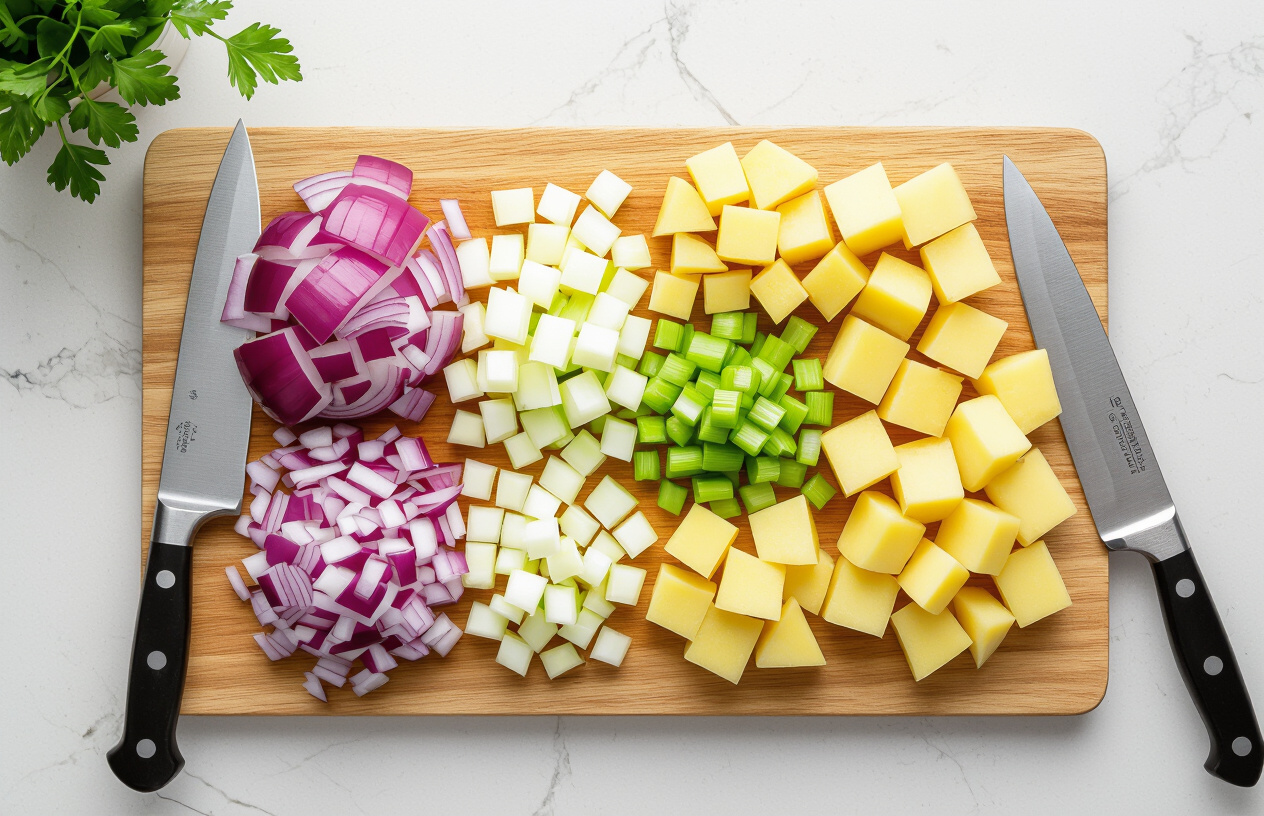 Smaller cuts cook faster and distribute better throughout the chowder, while larger pieces provide textural contrast.
Time-saving tip: Prep vegetables up to 24 hours ahead and store in airtight containers in the refrigerator. You can even measure out spices into small bowls the night before.
Building Flavor: The Base and Broth
The soul of any Creamy Seafood Chowder lies in its base. Start with a cold pan when cooking bacon (if using) to render fat slowly. For aromatics, use medium heat with a combination of butter and bacon fat. Stir frequently and look for translucent onions without browning—usually 5-7 minutes.
To create the perfect roux, sprinkle flour over the sautéed vegetables and stir constantly for 1-2 minutes until it smells slightly nutty but remains pale. This cooks out the raw flour taste. Add liquids gradually, about ½ cup at a time, whisking continuously to prevent lumps. Proper soup-building techniques ensure a velvety texture.
Maintain a gentle simmer—never a rolling boil—when cooking the base with potatoes. Look for small bubbles breaking the surface occasionally. This takes approximately 15-20 minutes or until potatoes are fork-tender but not mushy.
Adding Seafood at the Right Time
The most common mistake in Creamy Seafood Chowder is overcooking the seafood. Add ingredients in order of cooking time: clams first (if using fresh), followed by firm white fish, then scallops, and finally shrimp.
For perfect tenderness, cook clams until they open (discard any that remain closed), white fish for 4-5 minutes, scallops for 2-3 minutes, and shrimp just until they turn pink and opaque—about 2 minutes. When using pre-cooked seafood, add it in the final minute just to heat through.
You'll know seafood is properly cooked when fish flakes easily, shrimp forms a "C" shape (not a tight "O" which indicates overcooking), and scallops are slightly firm but still tender. Scientific cooking principles explain why proper timing preserves the delicate texture of seafood.
Finishing Touches for Perfect Creaminess
The signature element of Creamy Seafood Chowder is, of course, the cream. To prevent curdling, reduce the heat to low and allow the chowder to stop bubbling before adding cream. Temper the cream by stirring in a ladleful of hot broth first, then pour the mixture back into the pot.
Taste before final seasoning—seafood naturally contains salt, and commercial stocks can be sodium-heavy. Add freshly ground black pepper, a splash of hot sauce, or a squeeze of lemon juice to brighten flavors.
For leftovers, cool the chowder quickly by transferring to shallow containers and refrigerate within two hours of cooking. Proper food safety practices suggest consuming leftover chowder within 2-3 days, reheating gently to prevent cream separation.
Serving Suggestions and Accompaniments
For a traditional touch, serve your Christmas Creamy Seafood Chowder with warm sourdough bread bowls or oyster crackers. Buttery toasted baguette slices or homemade herb biscuits also complement the creamy broth beautifully.
Wine pairing enhances the experience—opt for a crisp Sauvignon Blanc, unoaked Chardonnay, or dry Riesling to cut through the richness while complementing the seafood flavors.
Elevate presentation with thoughtful garnishes: a small drizzle of high-quality olive oil, fresh chives or dill sprinkled on top, a twist of lemon, or even a single perfectly cooked shrimp hanging on the rim of each bowl. For Christmas Seafood Chowder, add a festive touch with small sprigs of fresh thyme or a light dusting of paprika. Professional food styling techniques can transform your homemade chowder into a restaurant-worthy centerpiece.
Happy Cooking ! Enjoy your meal !

.jpg)
.png)


0 Comments